If you’ve ever misplaced your Android phone or want to keep tabs on your child’s or employee’s device activities, tracking an Android phone can be a lifesaver. While there are paid options available, several free apps and services offer robust features for monitoring an Android device’s location, calls, messages, and more. In this guide, we’ll explore the 10 best free apps and websites to track an Android phone, their key features, and step-by-step instructions for setting them up.
How to Track an Android Phone for Free?
To track an Android phone for free, you can use Google’s built-in “Find My Device” feature or third-party apps like FamiSafe, Hoverwatch, Spyic, Cocospy, iKeyMonitor, Qustodio, Glympse, Life360, and Google Maps. Here’s a step-by-step guide on how to set up and use these free tracking solutions:
You may like:
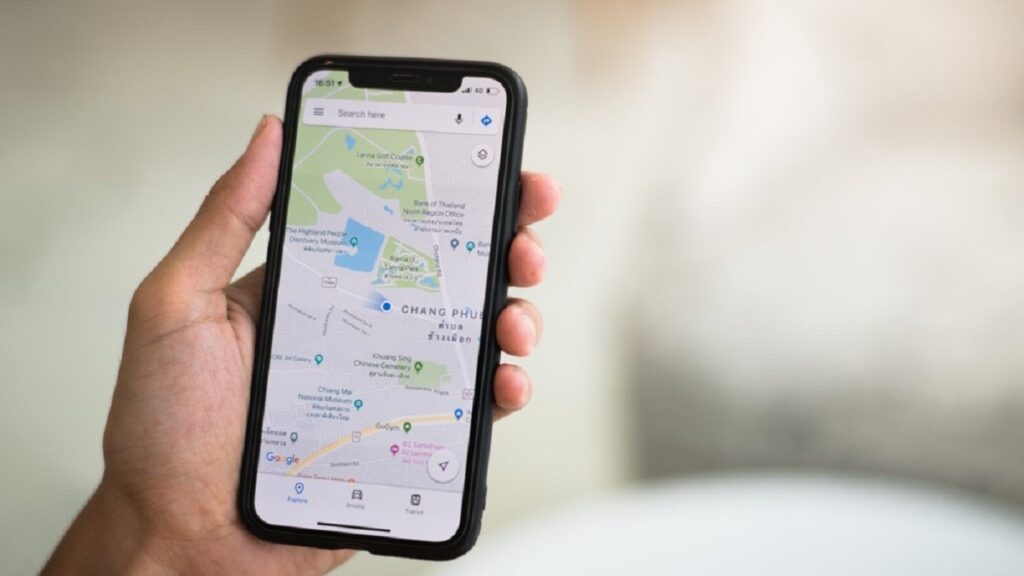
1. Google Find My Device
- Go to android.com/find and sign in with your Google account
- Enable “Find My Device” on your Android phone by going to Settings > Security > Find My Device
- You can now locate your device, make it ring, lock it, or erase data remotely
2. FamiSafe (Parental Control App)
- Download and install the FamiSafe app on your kid’s Android device
- Create a FamiSafe account and add your child’s device
- Access the FamiSafe web portal to track location, set web filters, app blockers, and more
3. Hoverwatch (Comprehensive Monitoring)
- Visit the Hoverwatch website and sign up for a free account
- Follow the instructions to download and install the Hoverwatch app on the target Android device
- Log in to your account to track location, calls, messages, and browsing history
4. Spyic (No Installation Required)
- Go to the Spyic website and register for a free account
- Follow the setup wizard to configure Spyic for the target Android device
- Access the Spyic dashboard to monitor location, calls, and messaging apps
5. Cocospy (Stealth Mode)
- Visit the Cocospy website and sign up for the free plan
- Follow the instructions to download and install the Cocospy app on the target Android device
- Log in to your Cocospy account to track location, calls, multimedia files, and more
6. iKeyMonitor (Keylogger)
- Go to the iKeyMonitor website and create a free account
- Download and install the iKeyMonitor app on the target Android device
- Access your account to monitor keystrokes, calls, messages, location, and screenshots
By following these steps, you can easily set up and use various free apps and services to track an Android phone’s location, activities, and more without paying a dime. However, it’s crucial to respect privacy laws and obtain consent when monitoring minors or employees.
10 Best Apps To Track an Android Phone for Free
1. Google Find My Device
Google’s built-in “Find My Device” feature is a free and straightforward way to track your Android phone or tablet. It allows you to locate your device on a map, make it ring at full volume (even if it’s on silent mode), lock it, or erase all data remotely. Here’s how to set it up and use it:
Pros:
- Pre-installed on most Android devices
- Easy to use interface
- Remotely lock or erase data for security
Cons:
- Limited features compared to third-party apps
- Requires a Google account and internet connection
2. FamiSafe
FamiSafe is a comprehensive parental control app that offers a free version for tracking an Android phone. In addition to location monitoring, it allows you to view browsing history, block inappropriate websites, set screen time limits, and more. Here’s how to get started with FamiSafe:
Pros:
- Robust parental control features
- Real-time location tracking
- Web filtering and app blocking
Cons:
- Limited features in the free version
- Requires rooting the target device for some advanced features
3. Hoverwatch
Hoverwatch is a free and powerful phone tracking app that works for both Android and iOS devices. It offers features like GPS location tracking, call and message monitoring, web browsing history, and more. Here’s how to set up Hoverwatch for Android tracking:
Pros:
- Comprehensive monitoring features
- Remote control and uninstall protection
- Compatible with multiple platforms
Cons:
- Limited free version
- Requires physical access to the target device for installation
4. Spyic
Spyic is a popular and user-friendly phone monitoring solution that offers a free version for tracking an Android device. It allows you to view the target phone’s real-time location, access call logs, and monitor messaging apps like WhatsApp. Here’s how to get started with Spyic:
Pros:
- Easy to set up and use
- No installation required on the target device
- Stealth mode for discreet monitoring
Cons:
- Limited features in the free version
- Requires rooting for some advanced features
5. Cocospy
Cocospy is a versatile phone tracking app that offers a free version for Android monitoring. It allows you to track the target device’s location, view call logs, access multimedia files, and more. Here’s how to set up Cocospy for Android tracking:
Pros:
- No rooting or jailbreaking required
- Stealth mode for discreet monitoring
- Remote control and uninstall protection
Cons:
- Limited features in the free version
- Requires physical access to the target device for installation
6. iKeyMonitor
iKeyMonitor is a free keylogger app that can track an Android phone’s activities, including keystrokes, calls, messages, and location. It also offers features like remote camera access and screenshot capture. Here’s how to set up iKeyMonitor for Android monitoring:
Pros:
- Comprehensive monitoring features
- Remote control and uninstall protection
- Stealth mode for discreet monitoring
Cons:
- Limited free version
- Requires rooting the target device
7. Qustodio
Qustodio is a popular parental control app that offers a free version for tracking an Android device. In addition to location monitoring, it allows you to set time limits, block inappropriate content, and monitor online activities. Here’s how to get started with Qustodio:
Pros:
- Robust parental control features
- Web filtering and time management tools
- Cross-platform compatibility
Cons:
- Limited features in the free version
- Requires rooting for some advanced features
8. Glympse
Glympse is a free location-sharing app that can be used to track an Android phone’s whereabouts. It allows you to share your real-time location with selected contacts for a specific duration. Here’s how to use Glympse for Android tracking:
Pros:
- Simple and user-friendly interface
- No installation required on the target device
- Temporary location sharing for privacy
Cons:
- Limited to location tracking only
- Requires the target user’s consent for sharing
9. Life360
Life360 is a popular family safety app that offers a free version for tracking Android phones. It allows you to view the real-time location of your family members, receive alerts when they arrive or leave designated areas, and more. Here’s how to set up Life360 for Android tracking:
Pros:
- Comprehensive family safety features
- Real-time location sharing
- Geofencing and alerts
Cons:
- Limited free version
- Requires all family members to install the app
10. Google Maps
While not specifically designed for phone tracking, Google Maps can be used to share your location with others in real-time. This can be a handy free option for tracking an Android phone’s whereabouts. Here’s how to use Google Maps for location sharing:
Pros:
- No additional app installation required
- Real-time location sharing
- Integrated with Google’s services
Cons:
- Limited to location tracking only
- Requires the target user’s consent for sharing
By leveraging these free apps and websites, you can effectively track an Android phone’s location, activities, and more without spending a dime. However, it’s crucial to prioritize privacy and ethical considerations when using such tools, especially when monitoring minors or employees. Always ensure you have the necessary consent and comply with applicable laws and regulations.
Here are some helpful queries about to track an android phone, along with the answers:
How can I track my kid’s Android phone without their knowledge?
Most tracking apps require physically accessing the target device for installation or obtaining consent. Using such apps without the owner’s knowledge may be unethical and illegal in some jurisdictions.
Can I track an Android phone’s location without installing any app?
Yes, services like Google Maps and Glympse allow you to share your location without installing a dedicated tracking app on the target device. However, this requires the owner’s consent for sharing their location.
What are the legal implications of tracking someone’s Android phone without their consent?
Tracking someone’s device without their knowledge or consent may violate privacy laws and regulations. It’s crucial to understand and comply with applicable laws in your jurisdiction.
How do I prevent others from tracking my Android phone without my knowledge?
Enable two-factor authentication, keep your device updated, and avoid installing apps from untrusted sources. You can also use an anti-malware app to detect and remove potential spyware or tracking apps.
Can tracking apps drain my Android phone’s battery life?
Yes, some tracking apps, especially those that constantly monitor location and activities, can significantly impact battery life. It’s essential to choose a well-optimized app and adjust settings to find a balance between tracking and battery consumption.
How do I track a stolen or lost Android phone without any prior setup?
Without prior setup, options are limited. You can try locating the device using Google’s “Find My Device” or contact your mobile carrier to request location tracking or remote locking/wiping if supported.
Can I track an Android phone’s internet browsing history?
Yes, several tracking apps offer web monitoring features that can log and report the target device’s browsing history, including websites visited and search queries.
How can I track my employee’s Android phone for productivity monitoring?
While employee monitoring is legal in some cases, it’s essential to have a clear policy, obtain consent, and respect privacy laws. Tracking apps with features like app usage monitoring, location tracking, and screenshot capturing can aid in productivity monitoring.
Can I use a tracking app to monitor my spouse’s Android phone for infidelity concerns?
While possible, tracking a spouse’s device without their knowledge or consent raises ethical concerns and may be illegal in some jurisdictions. It’s advisable to address relationship issues through open communication and counseling.
How do I choose the best tracking app for my needs?
Consider factors like features offered, compatibility with the target device, battery impact, stealth mode availability, ease of use, and pricing (if applicable). Read reviews and compare options to find the most suitable app for your specific requirements.
Can tracking apps access my Android phone’s media files and documents?
Yes, many tracking apps offer features to remotely access and view the target device’s multimedia files, documents, and other stored data.
How can I track an Android phone’s location without an internet connection?
Most tracking apps rely on an internet connection for real-time location updates. However, some apps can log and store location data locally, which can be accessed once an internet connection is available.
Can I use a free tracking app to monitor multiple Android devices?
Some free tracking apps may support monitoring multiple devices within their free plan, but with limited features or device slots. For comprehensive multi-device monitoring, you may need to upgrade to a paid plan.
How do I uninstall a tracking app from my Android phone if I suspect it’s being used without my consent?
If you suspect a tracking app is installed without your knowledge, you can check installed apps in the settings, use an anti-malware app to scan and remove it, or perform a factory reset as a last resort.
Can tracking apps compromise the security of my Android phone?
Yes, poorly designed or malicious tracking apps can potentially introduce security vulnerabilities, exposing your device to hacking attempts or data breaches. It’s crucial to use reputable apps from trusted sources and keep them updated.